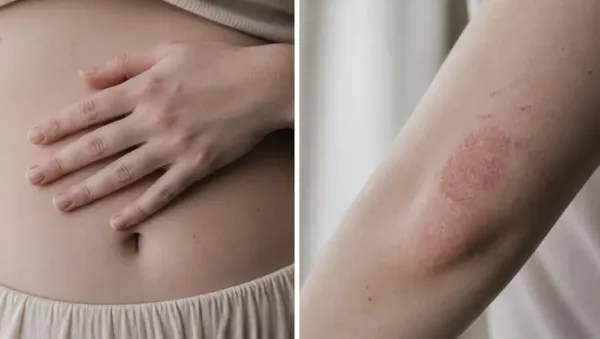
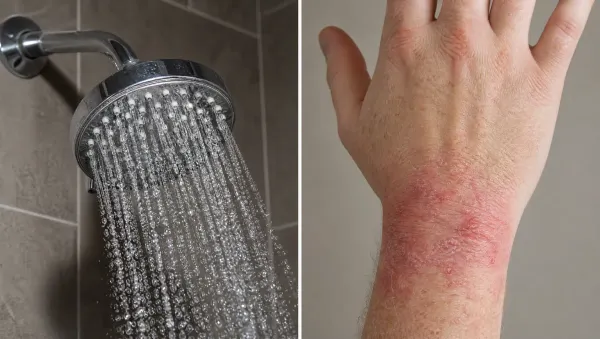
Why Is Irish Skin So Prone To Skin Conditions?
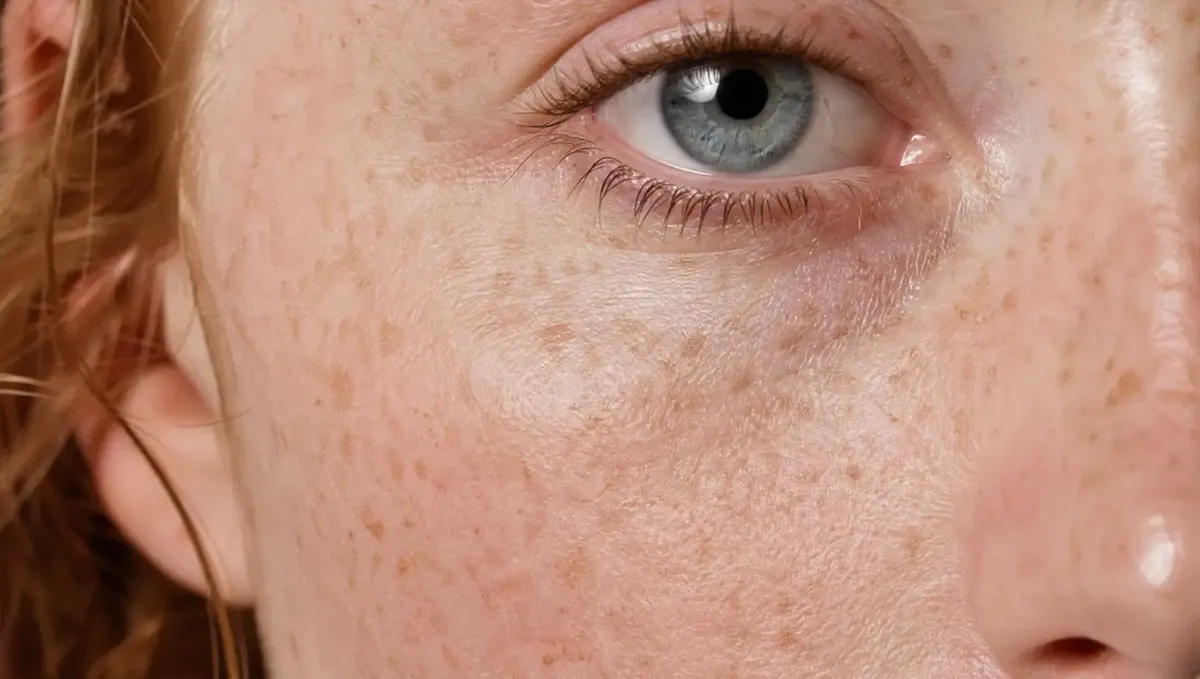
Over two thirds of Irish people have either experienced or currently live with a skin condition.
In real terms, that's millions of people managing something every single day - and that's before accounting for the significant number who never get formally diagnosed at all.
Ireland's public and private healthcare systems operate separately, which means a significant number of people with skin conditions are never formally diagnosed.
Many manage their symptoms quietly at home, never make it to a dermatologist, or are stuck on waiting lists that can stretch to years. The real numbers are almost certainly higher than what gets reported.
So why is Irish skin so vulnerable?
There are several reasons, and they stack on top of each other.
Genetics
Irish people are predominantly of Celtic ancestry, and Celtic skin is among the most reactive in the world. Most Irish people fall into Fitzpatrick Skin Types I and II - the lightest end of the scale, characterised by pale skin, a tendency to burn rather than tan, and very low melanin levels.
Melanin is the pigment that acts as a natural barrier against UV radiation and environmental damage. The less you have, the less protection your skin has against everything from sun exposure to everyday irritants.
A specific genetic mutation also affects a protein called filaggrin, which is responsible for maintaining the skin barrier. Irish and Northern European populations carry this mutation at higher rates than most. When filaggrin is compromised, the skin barrier doesn't function properly - it lets moisture out and lets irritants in.
This is directly linked to higher rates of eczema, and also increases the risk of developing other allergic conditions like asthma and hay fever. Psoriasis has a strong genetic component too - not everyone who carries the gene will develop it, but having a family history significantly increases the risk.
Vitamin D Deficiency
Ireland sits at a latitude where UVB rays - the rays responsible for vitamin D production in the skin - are insufficient for around seven months of the year, from October to April. No meaningful amount of vitamin D can be synthesised from Irish sunlight during that period, regardless of how much time you spend outside.
The numbers are stark.
Over 40% of Irish adults have insufficient vitamin D levels. During winter that figure rises to between 70 and 80%.
This matters for skin because vitamin D plays a direct role in regulating inflammation. Low levels have been linked to worsening eczema, psoriasis and other inflammatory skin conditions. For most of the year, Irish skin is operating without enough of it.
The Climate
Ireland's climate is damp, cold for much of the year, and involves a lot of time spent indoors with central heating running. Each of these is a problem for skin.
Cold air holds less moisture than warm air. The wind strips moisture from the skin rather than adding to it. Central heating dries the air inside, drawing moisture out of the skin continuously throughout the day and night.
The result is a population whose skin is constantly losing moisture and struggling to maintain its barrier - before any genetic or other factors even come into play.
Hard Water
A large portion of Ireland - most of Leinster, Munster and the midlands - has hard water. Hard water has a high mineral content, mainly calcium and magnesium, and it doesn't rinse cleanly from the skin. It leaves residue behind that disrupts the skin barrier and aggravates conditions like eczema and rosacea.
For anyone with already compromised skin, washing in hard water every day is a consistent, low-level irritant that most people never connect to their flares.
All Of It Together
The reason Irish skin struggles isn't one thing. It's the combination.
A genetic predisposition to a weaker skin barrier. A climate that strips moisture year-round. A chronic vitamin D deficiency for most of the year. Hard water running through most of the country's taps. And a healthcare system where thousands of people are managing serious skin conditions without ever receiving a formal diagnosis.
Any one of these on its own would be manageable.
All of them together, compounding each other every day, is why skin conditions are so prevalent here - and why so many Irish people spend years treating symptoms without ever understanding the reasons behind them.